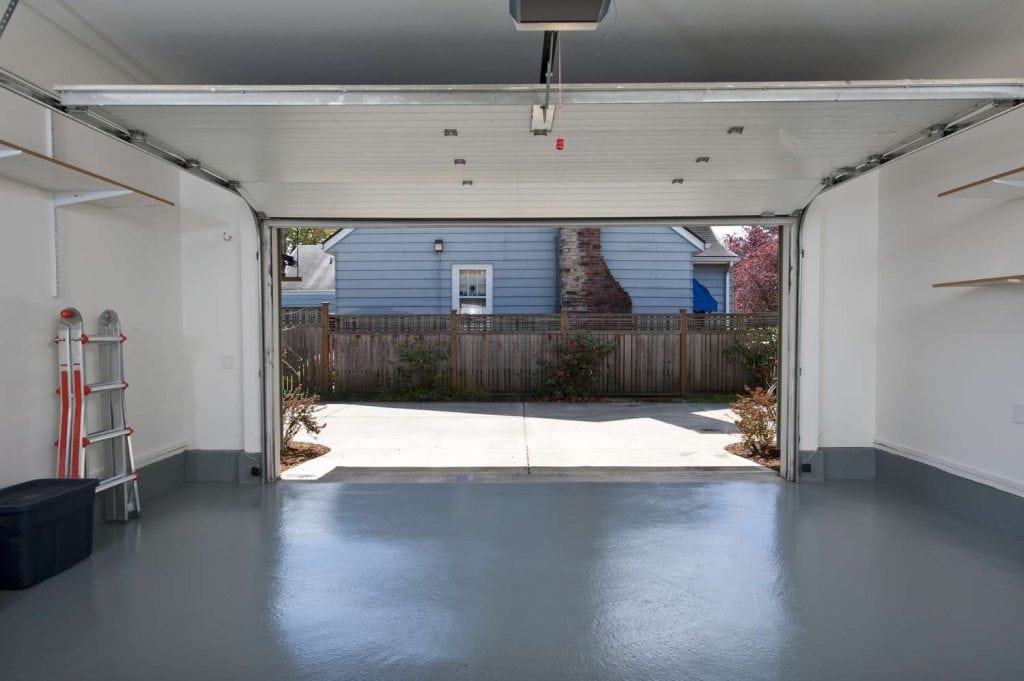
Epoxy coatings offer you a range of durable, low‑maintenance garage floor options that transform your Rancho Palos Verdes home while protecting against stains and wear. A professional painting company will explain how proper surface preparation and the right primer/aggregate choices prevent peeling and extend lifespan, and will advise on ventilation and protective gear to minimize fumes during installation. They will also compare epoxy, polyurea, and decorative flake systems to match your performance and aesthetic goals.
Key Takeaways:
- Cooley Brothers in Rancho Palos Verdes offers professional garage floor epoxy systems, featuring options that include solid-color, flake, and metallic finishes, tailored for both aesthetic appeal and heavy use.
- Epoxy coatings provide durable, chemical- and stain-resistant surfaces that protect concrete and extend the lifespan of floors.
- Installation includes full surface preparation (repair, grinding, moisture mitigation) and typically includes warranty and maintenance guidance for long-term performance.
The Allure of Epoxy Floors in Rancho Palos Verdes
Transformational Benefits of Epoxy Coatings
Epoxy provides heavy-duty protection, transforming rough concrete into a clean, low-maintenance surface you can rely on. Expect durability of up to 10–15 years with proper surface preparation and typical cure times of 24–48 hours. You gain resistance to oil, gasoline, and most household chemicals, improved light reflectivity for darker garages, and easier cleanup—dozens of homeowners report dramatically reduced staining and maintenance. Be aware that improper preparation can cause delamination, so substrate testing and profiling are crucial.
Aesthetic Versatility: Colors and Finishes
Choose from solid-color, flake, and metallic systems to match your garage or workshop aesthetic. Flake systems effectively conceal surface imperfections, and slip-resistant textures can be achieved through the addition of additives like aluminum oxide. You can select dozens of color blends or custom mixes to complement exterior paint and HOA palettes, while gloss and satin topcoats change reflectivity and perceived space.
Metallic epoxy achieves depth by layering pearlescent pigments and clear coats, producing a showroom-style, three-dimensional look that can be paired with custom logos or floor borders. Installers often apply a primer, followed by two to three build coats, and then a UV-stable topcoat for added longevity. For a faster turnaround, polyaspartic alternatives cure in 1–3 hours, allowing you to use the garage the same day. In contrast, standard epoxy trades speed for thicker, more forgiving builds that mask minor substrate flaws.
Choosing the Right Garage Floor Option
Comparing Epoxy with Other Flooring Alternatives
Epoxy offers a 10–15-year life under typical garage use, resists oil, gasoline, and solvents, and installs in 1–3 days for a standard 2-car bay; polyaspartic cures in hours but costs ~20–30% more, while paint and sealers cost less but provide minimal abrasion or chemical protection. If you park daily or run a workshop, epoxy’s hardness and chemical resistance typically outperform those of tiles or simple concrete coatings.
Quick comparison
| Option | Notes |
|---|---|
| Epoxy | High abrasion and chemical resistance; 1–3 day install; best for long-term durability. |
| Polyaspartic | Fast cure (hours), UV-stable; higher cost but excellent for quick returns to service. |
| Floor Paint / Sealer | Low cost, short lifespan; minimal protection against impacts and chemicals. |
| Interlocking Tiles | DIY-friendly, quick to replace, limited chemical resistance, and can trap moisture. |
| Bare Concrete | Cheapest upfront; porous, prone to staining, and requires frequent maintenance or sealing. |
Factors That Influence Your Choice: Function, Style, and Durability
Your garage use dictates priorities: heavy trucks need thicker builds (consider 1″8″–3/”6″ epoxy mortar), a hobby mechanic needs maximum chemical resistance, and a showroom finish emphasizes color and gloss. Local salt air in Rancho Palos Verdes favors low-VOC, corrosion-resistant systems. After you rank load, maintenance frequency, and aesthetics, select a system that matches those targets and your budget.
- Traffic load
- Chemical exposure
- UV & coastal conditions
- Maintenance tolerance
- Desired appearance
For heavy use, choose epoxy with a broadcast quartz or mortar layer for enhanced impact resistance and a non-slip topcoat. For quick turnaround, opt for polyaspartic, which allows for same-day vehicle return. For budget-friendly projects, consider high-quality concrete stain plus sealer. Typical recommendations include: 2–3 mm solid epoxy for household garages, 3–6 mm mortar systems for workshops or light commercial loads, and polyaspartic when UV resistance and fast cure are a priority. After testing a small patch and confirming adhesion and appearance, schedule a full installation with a certified installer.
- 2–3 mm epoxy — standard garage
- 3–6 mm mortar — heavy duty/shop
- Polyaspartic — fast cure, UV-stable
- Flake or quartz broadcast — improved traction and repair masking
The Installation Process Demystified
Pre-Installation Preparation: What to Expect
You clear your garage, removing all vehicles and contents. Expect professional prep to take 2–6 hours per 500 sq ft, depending on the level of contamination and the extent of repairs. Technicians will diamond-grind or shot-blast, patch cracks wider than 1″8″ (3 mm), and perform a moisture test — moisture above 3% often requires mitigation. Plan for dust containment, temporary parking, and a confirmed start time so your project stays on schedule.
Step-by-Step Application of Epoxy Coatings
The crew begins with a final vacuum and tack wipe, then applies a primer for adhesion. This is followed by a base epoxy broadcast with flakes or quartz. Excess broadcast is removed after curing, and a clear topcoat (epoxy or polyaspartic) seals the system. Typical pot life ranges 20–40 minutes, recoat windows are 12–48 hours, and you can drive on most systems in 24–72 hours.
You can expect mixing ratios (often 2:1 or 1:1 by volume), the use of airless sprayers or squeegees for an even spread, and quality checks to ensure wet mil thickness meets performance specifications. Crews document batch numbers and cure temperatures for warranty records.
Application Breakdown
| Step | Details |
| Surface Prep | Diamond grinding or shot blasting to remove laitance and achieve profile; dust vacuumed and moisture tested (<3% target). |
| Primer | Low-viscosity epoxy or moisture-tolerant primer applied to seal pores and improve adhesion; tack-free in 2–6 hours. |
| Base Coat & Broadcast | Mixed epoxy applied (squeegee/roller), broadcast of flakes/quartz to rejection for texture and aesthetics; allow bench cure per product. |
| Scrape & Vacuum | Excess broadcast material was scraped and fully vacuumed to ensure the adhesion of the topcoat and smoothness where required. |
| Topcoat/Seal | Clear epoxy or fast-curing polyaspartic is applied, providing chemical resistance, UV stability, and a final gloss. Drive-on 24–72 hrs. |
| Quality Checks | Wet mil thickness, adhesion pull tests if requested, and inspection of finish consistency; crews log cure times and batch info for warranty. |
Common Misconceptions About Epoxy Flooring
Debunking the Myths: Maintenance and Longevity
Homeowners often think epoxy peels or needs constant recoat; in reality, a properly prepared concrete surface and a professional install will give you 10–20 years of service under typical garage use. You can keep the floor looking new with simple care: weekly sweeping, occasional wet mopping with a pH-neutral cleaner, and placing mats at high-traffic entries to reduce abrasive grit. Avoid harsh solvents and dragging heavy metal objects to prevent scratches.
Addressing Safety and Environmental Concerns
Concerns about fumes and slipperiness are real, but manageable. Most off-gassing occurs during the cure, which typically lasts 24–72 hours, and water-based or low-VOC systems significantly reduce odor. You can add anti-slip additives (flaked systems or aluminum-oxide grit) to reach higher traction ratings, and selecting a UV-stable topcoat prevents yellowing in sun-exposed garages.
Professional installers in Rancho Palos Verdes typically use forced ventilation and NIOSH-approved respirators to protect occupants during the application process; you should plan to vacate the space for at least a day. Waste management matters because uncured epoxy and solvent residues are considered hazardous—allow residuals to fully cure before disposal. For slip resistance, adding 30–60 mesh aluminum oxide to a broadcast coat raises surface bite without compromising cleanability. If your garage is exposed to vehicle fluids, consider using a chemical-resistant epoxy primer and a urethane topcoat for enhanced solvent resistance and UV stability.
Maintenance Tips for Longevity and Durability
- Sweep or use a microfiber mop weekly to remove grit that abrades the epoxy.
- Wet-mop monthly with a pH-neutral cleaner diluted 1:100; avoid ammonia or bleach-based products.
- Wipe up gasoline, battery acid, and harsh chemical spills within 30 minutes to prevent staining or etching—these are the most damaging agents.
- Place protective mats under vehicles and high-use equipment; install felt pads under furniture legs.
- Schedule a touch-up or spot repair for chips larger than 1″4″ or any peeling area exceeding a few square inches; full recoats typically occur every 3–7 years, depending on traffic.
Essential Care Practices for Epoxy Floors
Sweep debris daily if you park heavy vehicles. For typical residential use, weekly sweeping, combined with monthly wet mopping using a pH-neutral solution, keeps the garage floor looking new. Use a 60–100 grit sanding block to prepare small chips before applying a repair kit. Avoid using metal shovels or wire brushes, as they can gouge the epoxy surface.
Signs of Wear: When to Consider Repair or Replacement
Look for hairline cracks wider than 1″8″, flaking or peeling across multiple square inches, permanent oil stains, or large areas where anti-slip texture has worn smooth—these warrant professional evaluation. High-traffic garages often require recoating every 2–5 years, while residential garages typically last 5–15 years with proper care.
If you spot localized peeling or chips, a spot repair with a matching epoxy kit often restores integrity for under $300; full-surface recoats or replacements run from $1,200 to $3,500 for a two-car garage, depending on the materials (epoxy vs. polyurea) and the level of prep work. A case from Rancho Palos Verdes showed that a homeowner who addressed a “6” peeling strip within two months avoided substrate moisture damage that would have doubled the repair costs. Knowing how to measure crack width, assess adhesion loss, and compare repair estimates lets you choose the most cost-effective path forward.
Cost Breakdown: What You’re Really Paying For
Factors Affecting the Price of Installation
Surface preparation, material choice, slab moisture, and labor all contribute to your final bill.
- garage floor size & condition (a 2‑car ~400 sq ft bay)
- epoxy vs polyaspartic product selection
- Rancho Palos Verdes, CA painting company labor rates, warranties & permits
Knowing that typical ranges run about $3–$12 per square foot, a 400-square-foot garage commonly costs roughly $1,200–$4,800.
The Long-Term Investment Perspective
View the floor as an asset: professional epoxy often lasts 10–20 years, which spreads a $1,200–$4,800 install to roughly $80–$480 per year for a 400 sq ft garage; polyaspartic shortens downtime with similar longevity. You cut maintenance, avoid costly slab repairs, and improve resale appeal, so upfront quality typically costs less than repeated fixes over a decade.
If you postpone repairs, resurfacing or partial re‑pours can exceed $8,000, whereas a properly prepped overlay at $3–$8/sq ft prevents spalling and chemical damage; adding a non‑skid additive ($0.50–$1.50/sq ft) increases safety for family use and tenantsYou’llll also get a cleaner, more marketable garage that can shorten listing time in competitive Rancho Palos Verdes neighborhoods and support stronger offers.
Choosing the Right Painting Company in Rancho Palos Verdes
Qualifications and Experience: What to Look For
Request the contractor’s California license number and verify it on the CSLB website. Expect a company with at least 3–5 years of experience in epoxy or polyaspartic garage floor installations, a portfolio of local projects, and client references. Confirm they carry $1,000,000 general liability and workers’ comp, know how coastal salt air affects coatings, and offer a written warranty (manufacturer and workmanship) for the specified term.
Questions to Ask Before Hiring a Contractor
Request an itemized written estimate, project timeline, brands, and data sheets for coatings, substrate-prep methods, moisture-testing protocol, cure times, warranty terms, and payment schedule; decline anyone who can’t produce proof of insurance or insists on large cash-only deposits or a verbal contract.
Drill into specifics: insist on documented moisture testing (ASTM methods) with a mitigation plan if results exceed manufacturer limits, ask for a small test patch or photos of completed jobs of similar scope, confirm whether they use diamond-grinding versus acid etch for prep, and set a clear payment schedule—typical deposits are under 30%, with final payment held until you sign off on completed work and warranty paperwork.
Customer Experiences: Insights from Local Residents
Testimonials and Feedback on Local Services
Neighbors in Rancho Palos Verdes often report that contractors who spend 1–2 days on proper diamond-grind prep and moisture testing deliver the best results. You’ll hear praise for finishes that stay glossy for 10–20 years and complaints when poor prep leads to peeling. Specific comments frequently mention clear before-and-after photos, punctual crews, and warranties of 3–7 years as the difference between “satisfied” and “disappointed”.”
How Community Recommendations Influence Decisions
Local referrals steer you toward contractors whose past work you can inspect in person; seeing three neighboring garages with even flake distribution and no hairline lifts often outweighs an anonymous 5-star review. Homeowners recommend asking about warranty length, documented surface preparation, and whether the installer adds slip-resistant texture for safety before signing a contract.
When following up on recommendations, request job-site photos, ask for a written scope that includes substrate preparation, primer type, and cure times, and compare at least two written bids. A practical checklist includes verifying prep photos, confirming ventilation and VOC controls during application, obtaining a start-to-finish timeline, and demanding a clear warranty (typically 3–7 years). This approach helps you avoid contractors who underbid by skipping necessary prep.
Final Thoughts on Your Garage Flooring Journey
Weighing long-term value against upfront cost
You can expect professional 100% solids epoxy systems to cost roughly $4–8 per square foot installed, while polyaspartic systems typically cost about $6–12 per square foot. For a standard two-car garage (approximately 400–500 sq ft), this translates to a cost of roughly $ 600–$ 1,000 for epoxy and $ 1,400–$ 1,000 for polyaspartic. Choosing the cheaper option up front can save money now, but systems with higher solids content and better UV/moisture tolerance often last longer and require fewer repairs over a 7–15 year horizon.
Realistic maintenance and lifespan expectation. You’ll keep floors looking and performing their best by sweeping weekly, mopping monthly with a pH-neutral cleaner, and addressing oil stains quickly with a degreaser. Expect a properly prepared and installed epoxy floor to be walkable within 24–72 hours and to reach full cure in approximately 7 days. Polyaspartic options can be walkable in 2–6 hours and reach full cure in 24–48 hours, which matters if you need the garage back in service fast. Typical residential lifespans range from approximately 7 to 15 years for well-installed epoxies and can be longer with higher-performance polyaspartic coatings and regular maintenance.
Handling environmental and safety risks
You should insist on documented moisture testing before installation: use an ASTM F2170 relative-humidity probe or an ASTM F1869 calcium chloride MVER test. Target readings under 75% RH or MVER below ~3 lb/1,000 ft²/24 hr for standard epoxy; higher readings increase the risk of delamination and bubbling. Ask contractors about ventilation and PPE—solvent-driven primers and primers with higher VOCs require proper respirators and airflow during cure. In coastal Rancho Palos Verdes, salt air and UV exposure favor finishes with UV-stable topcoats or polyaspartic formulations to limit yellowing and surface degradation over time.
What to verify with any installer
You should vet contractors by asking for recent job photos, at least three local references, and hard documentation of preparation methods (such as diamond grinding or shot blasting, not just acid etching). Demand to see the actual moisture test printouts and a written warranty that specifies what’s covered and for how long—many reputable local installers offer 3–10 year warranties depending on system and traffic. Confirm insurance and licensing, and request an exact scope that includes surface prep, product brand, solids percentage, broadcast rates for decorative flakes or silica, and cure windows, to ensure there are no surprises.
Deciding and moving forward
You can prioritize fast turnaround and UV stability with polyaspartic, or opt for strong chemical resistance and a lower price point with a high-solids epoxy—either choice performs well when proper preparation, moisture control, and installation quality are ensured. For a busy family garage with frequent vehicle traffic and occasional heavy tools, consider a higher-solids system, along with a non-slip broadcast (60–80 grit silica) in high-traffic areas. For a finished workshop or showroom garage, decorative flake systems with multiple clear topcoats deliver aesthetics and durability.
Final action items to close the project
You should obtain at least three written estimates, verify moisture testing is included, and schedule installation for a dry, moderate-temperature window—ideally 55–80°F with stable humidity. After installation, follow the installer’s care and maintenance timeline exactly. Prematurely loading or washing can void the warranty. Take photos immediately after installation and store warranty paperwork and product data sheets in case you need them years later.
FAQ
Q: What epoxy and garage floor coating options does a Rancho Palos Verdes painting company like Cooley Brothers Painting offer?
A: Cooley Brothers Painting typically offers multiple systems: solid epoxy for strong adhesion and chemical resistance; polyaspartic (or polyurea) for rapid cure, UV stability, and fast return-to-service; decorative flake broadcast systems for textured, slip-resistant, seamless finishes; quartz broadcast for heavy-duty traction and wear; and metallic epoxy for a high-end, glossy appearance. They pair many systems with an aliphatic polyurethane or polyaspartic topcoat for UV protection, added abrasion resistance, and easier cleaning. Custom color matching, anti-slip additives, and logo/striping options are available.
Q: What is the typical preparation and installation process for a garage epoxy floor in Rancho Palos Verdes?
A: Proper substrate preparation includes crack repair, grease/oil removal, and diamond grinding or shot blasting to expose clean concrete and create a profile for adhesion. A moisture test and patching of voids are performed when needed. Installation proceeds with a primer, base epoxy or polyaspartic coat, decorative broadcast (if used), and a clear protective topcoat. Total time varies by system: polyaspartic systems can be installed and ready for light use within hours to one day, while epoxy systems often require 1–3 days for full cure, with a cure time of 3–7 days. Ambient temperature, humidity, and concrete moisture affect scheduling and cure times.
Q: How do epoxy and polyaspartic floors hold up in coastal conditions like Rancho Palos Verdes (salt air, humidity, sun exposure)?
A: Coastal salt air and UV exposure accelerate wear on inferior coatings. A polyaspartic or aliphatic polyurethane topcoat provides superior UV stability and gloss retention compared to standard aromatic epoxy topcoats. Proper surface prep and moisture mitigation are crucial on concrete with high vapor drive. Anti-corrosion properties are not inherent to all systems, so steel anchors or metal fixtures should be treated separately. With proper product selection and maintenance, a quality coating will resist yellowing, chalking, and salt-related degradation more effectively than untreated concrete.
Q: What maintenance and repair practices keep a garage epoxy floor performing well in Rancho Palos Verdes?
A: Routine maintenance: sweep or vacuum to remove grit, mop with a pH-neutral cleaner, and rinse off salt or oil spills promptly to prevent staining or slip hazards. Use protective mats under vehicles and heavy equipment to limit abrasion and chemical exposure. For minor chips or surface scratches, clean the area, roughen the spot, and apply a color-matched patch or thin recoat. Larger damage may require localized grinding and reapplication of primer and topcoat. Annual inspections and timely spot repairs help extend the lifespan and appearance of your vehicle.
Q: What factors affect cost, and how can I get an accurate quote from Cooley Brothers Painting for a Rancho Palos Verdes garage floor?
A: Cost drivers include square footage, existing concrete condition and required repairs, choice of coating (epoxy vs. polyaspartic), decorative options (flake, quartz, metallic), preparation method (grinding vs. shot blasting), topcoat type, and desired cure time (rush installation raises cost). Coastal-specific products and moisture mitigation add to the price. To obtain an accurate quote, please provide measurements, photos of the current floor, and details about your vehicle use and exposure. Alternatively, you can schedule an on-site assessment via https://wp.cooleybrotherspainting.com/ or by calling their contact number. Estimates typically include prep, materials, labor, and warranty information.

David Cooley, the esteemed owner of Cooley Brothers Painting, has established himself as a leading figure in the painting industry. With a rich history of delivering unparalleled service in Torrance, Manhattan Beach, Palos Verdes Estates, Redondo Beach, and Rolling Hills, his hands-on approach and dedication to quality have shaped Cooley Brothers Painting into a trusted name for exceptional painting services. With a focus on innovation, customer satisfaction, and community engagement, David’s leadership continues guiding his team toward new heights of excellence and reliability in every project.