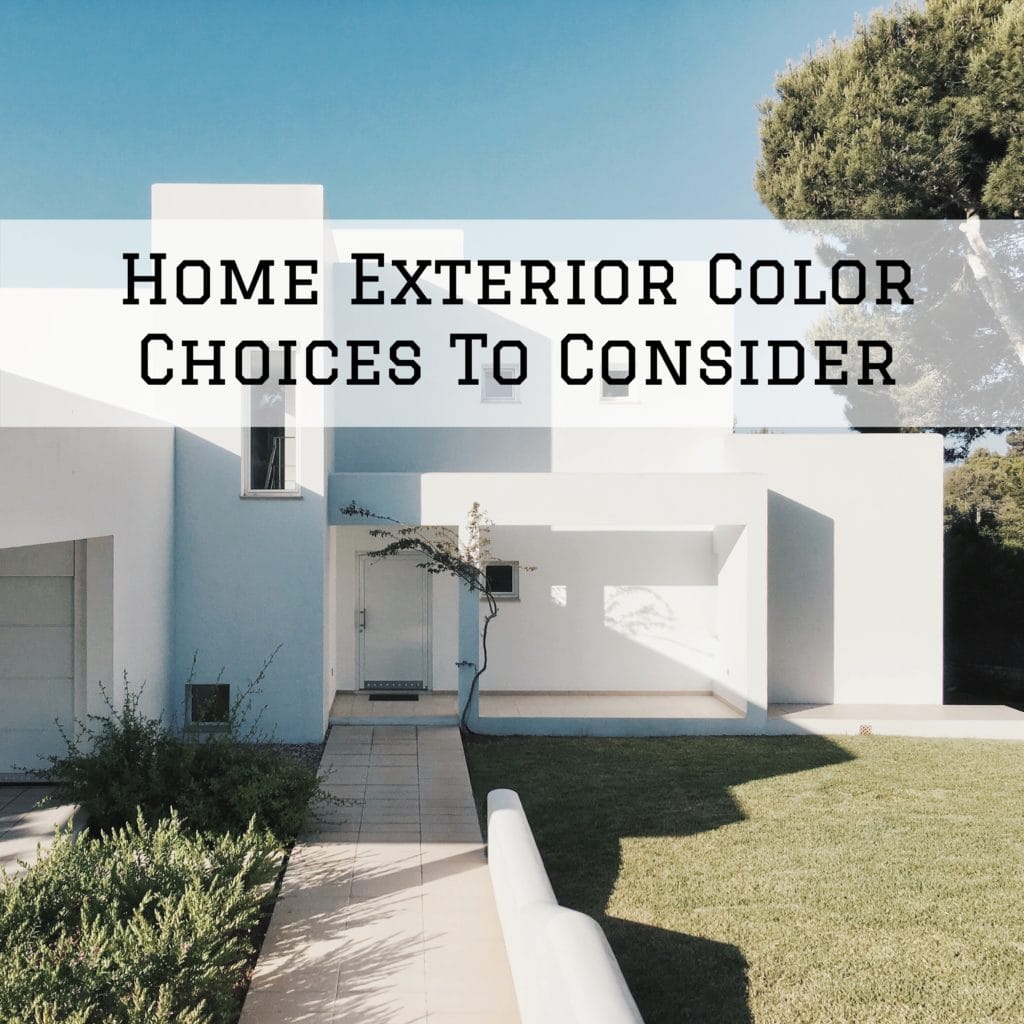
The best exterior paint colors for a Palos Verdes or South Bay home start with what you can’t repaint: the roof, stone, brick, and hardscape. Pick a body color that works with those fixed elements, then a trim color and one accent color for the front door or shutters. On the coast, muted mid-tones such as warm white, greige, sage, soft gray, and sandy beige hold up best. They hide salt film and dust, fade less than saturated colors, and suit Mediterranean, Spanish, ranch, and modern homes alike. Always test large samples on two sides of the house before you commit, and check whether your HOA needs to approve the color.
This guide covers how to build an exterior color scheme, popular palettes by home style, what the coastal climate means for color and paint, HOA approval, and how to test colors. It reflects how our crews at Cooley Brothers Painting help homeowners choose exterior colors in Palos Verdes Estates, Rancho Palos Verdes, Rolling Hills, and across the South Bay.
How to choose an exterior color scheme
- Start with the fixed elements. Roof tile or shingles, stone veneer, brick, pavers, and window frames are expensive to change. Note whether they lean warm (terracotta, tan, red brick) or cool (slate, gray, black) and choose colors with the same undertone.
- Look at the neighborhood. Your house should stand out for the right reasons. Colors that work with neighboring homes and the landscape look intentional and help resale.
- Pick the body color. This covers most of the house, so it sets the mood. Mid-tones and soft neutrals are the safest choice for large stucco or siding areas.
- Pick the trim color. Trim, fascia, and window casings usually contrast with the body: a crisp white or off-white on a darker body, or a deeper shade on a light body.
- Add one accent. The front door, shutters, or garage door can carry a bolder color such as navy, black, deep green, or a warm red.
- Test before you buy. Colors look lighter and brighter outdoors than on a paint chip, so most homeowners end up choosing a shade or two darker than they first expected.
Popular exterior color palettes
| Palette | Body | Trim | Accent |
|---|---|---|---|
| Warm coastal neutral | Warm white or creamy ivory | Soft white or the same color in a higher sheen | Navy, black, or natural wood door |
| Greige and charcoal | Greige or light taupe | Off-white | Charcoal or black |
| Coastal green | Sage or muted gray-green | Cream | Deep green or warm wood |
| Soft blue-gray | Blue-gray or soft gray | Bright white | Navy or deep teal |
| Earth tone | Sandy beige or warm tan | Creamy white | Terracotta, rust, or olive |
| Modern contrast | Bright white | Black window frames and fascia | Natural wood or bold color door |
Colors by home style
- Mediterranean and Spanish Revival: warm whites, creamy ivory, sand, and soft ochre on stucco, with dark wood, iron, or deep green accents that complement clay tile roofs. Avoid cool, bright whites next to terracotta tile.
- California ranch: greige, warm gray, sage, and muted blue-gray with white or cream trim. A colorful front door adds personality to the long, low profile.
- Coastal and Cape Cod: soft blues, gray-greens, and light grays with crisp white trim and a navy or black door.
- Modern and contemporary: white, charcoal, or black bodies with high contrast, often paired with natural wood or metal accents.
- Craftsman: earthy greens, browns, and warm grays, with trim colors that highlight brackets and window details.
What the coastal climate means for color
- Sun and fading: strong UV fades saturated colors, especially reds, bright blues, and deep tones, faster than neutrals. Mid-tones keep their color longest.
- Heat: light colors reflect more sunlight and keep surfaces cooler. Very dark colors absorb heat, which can stress wood and vinyl siding and make fading more noticeable.
- Salt air and marine layer: salt film, dust, and mildew show quickly on pure white and very dark colors. Soft whites, greige, and mid-tones hide them better between washes.
- Stucco: most South Bay homes are stucco, which shows color with more depth than smooth siding. Flat or low-sheen finishes suit stucco; satin or semi-gloss suits trim and doors.
For the paint itself, a premium 100% acrylic exterior paint with good UV and mildew resistance is the standard choice. Elastomeric coatings are an option for cracked stucco. Our guide on how long exterior paint lasts in the South Bay covers durability in more detail.
Lighter colors for warm, sunny homes
If your home gets strong afternoon sun, lighter body colors such as soft white, pale gray, sand, and light sage keep the exterior cooler and look fresh through the summer. Add warmth and personality with a bolder door or shutters rather than a dark body color. On a sunny elevation, a color that looks soft on the chip can look almost white, so test on the sunny side as well as the shaded side.
Check HOA and city approval first
Many South Bay neighborhoods have rules about exterior colors. In Palos Verdes Estates, exterior color changes generally go through the Palos Verdes Homes Association’s Art Jury, and many HOAs in Rancho Palos Verdes, Rolling Hills Estates, and other communities have approved palettes or a review process. Check the rules before you buy paint, and allow time for approval in your schedule. Our guide to HOA painting explains how the process usually works.
How to test exterior paint colors
- Narrow your choices to two or three body colors before buying samples.
- Paint samples at least 2 feet square, or use large sample boards, on at least two sides of the house.
- Place samples next to the roof, stone, and trim so you see the whole combination.
- Look at them in the morning, at midday, and in late afternoon, and on overcast days.
- Step back to the street. Exterior colors need to work from a distance, not just up close.
Getting the most from a new exterior color
A new color only looks good on a well-prepared surface. Every exterior repaint should start with a thorough wash, followed by scraping, crack and wood repair, caulking, and spot-priming. See our guides on power washing before painting and exterior painting mistakes to avoid.
Exterior color help in Palos Verdes and the South Bay
Cooley Brothers Painting is a locally owned, family-run painting company in Torrance that provides exterior painting throughout the South Bay, including Palos Verdes Estates. We help you test colors on your own home, work through HOA requirements, and prep the surface so the color lasts. Request a free estimate or call the office at 310-378-4575.
Frequently asked questions
What exterior colors are popular in Palos Verdes and the South Bay?
Warm whites, creamy ivory, greige, soft gray, sage, sandy beige, and muted blue-grays are the most popular body colors, usually with white or cream trim and a darker door in navy, black, or deep green.
How do I choose an exterior paint color for my house?
Start with the colors you can’t change, such as the roof, stone, and hardscape, and choose a body color with the same undertone. Add a contrasting trim color and one accent color, then test large samples on the house before deciding.
What exterior colors fade the least?
Neutrals and mid-tones such as whites, beiges, grays, and muted greens fade the least. Saturated reds, bright blues, and very dark colors fade faster in strong sun.
Should I choose a light or dark exterior color?
Light and mid-tone colors stay cooler, fade less, and hide salt film and dust better in coastal areas. Dark colors look dramatic but absorb more heat and show fading sooner, so they work best on trim, doors, or shaded elevations.
Do I need HOA approval to change my exterior color?
Often, yes. Many South Bay HOAs and the Palos Verdes Homes Association review exterior color changes. Check your rules and get approval before you buy paint.
What paint is best for stucco exteriors near the coast?
A premium 100% acrylic exterior paint with UV and mildew resistance, in a flat or low-sheen finish. Elastomeric coatings can help bridge hairline stucco cracks.

David Cooley, the esteemed owner of Cooley Brothers Painting, has established himself as a leading figure in the painting industry. With a rich history of delivering unparalleled service in Torrance, Manhattan Beach, Palos Verdes Estates, Redondo Beach, and Rolling Hills, his hands-on approach and dedication to quality have shaped Cooley Brothers Painting into a trusted name for exceptional painting services. With a focus on innovation, customer satisfaction, and community engagement, David’s leadership continues guiding his team toward new heights of excellence and reliability in every project.

